Welcome to My Year Without

On January 1, 2008, I made a New Year's resolution to cut out refined sugar for one year. I cut out white refined sugar and corn syrups. My quest to be sugar-free evolved into political interest, public health, and letter writing to food manufacturers. Join me in sugar sleuthing, and learn more about the psychological aspects of sugar addiction, and those who push sugar on us.

Tuesday, February 16, 2010

An Unfortunate Marriage: Peanuts and Corn Syrup


To my shock and horror I discovered corn syrups and other sugars added to jars of peanuts.

I usually by peanuts in the shell, but I don't eat peanuts that often. I typically stick with more exotic nuts like macadamias, almonds, pistachios, pecans, cashews--because I'm so fancy.

I love a good peanut, though, dang it! I'm fortunate not to have allergies, and I realize and sympathize with those who are unable to experience the joy and tasty satisfaction that peanuts can offer. Luckily these days grocery stores are stocked with all kinds of nuts so our choice is not limited.

Last week, during our wonderful blizzard, I wanted peanuts. I visited the nut aisle (which is new to me because I usually buy my nuts at TJ's) and found a large variety of peanuts. I figured right off the bat that honey roasted peanuts would be off-limits. They were. I looked at some roasted, unsalted peanuts and they looked boring so I tried finding roasted, salted peanuts. I found several different brands, including the big "P" brand of peanuts, that added corn syrup, maltodextrin and corn syrup solids. Can you imagine why the heck these peanut companies are adding all this sugar to the poor, otherwise innocent peanut?

I finally found a grocery store brand of roasted, unsalted peanut and that turned out to be my only bet. All other peanuts had added sugars.

Two things I don't get:
  1. Peanuts are naturally sweet, so why would they need sugar? Without added sugars, one serving size of peanuts (28 g/about 40 pieces) has approximately 1 gram of sugar. Peanut sugar. Let's say that peanuts were not sweet enough by themselves. Wouldn't it be just as easy to add sugar ourselves?
  2. I've heard that sugar can act as a preservative. In this case, though, peanuts don't need preservatives. The jar I bought says, "SELL BY JUN 22 11". If my roasted, unsalted peanuts have a year and half shelf life, what gives? Do the corn syrup covered peanuts have a 10 year shelf life? Gross.
I have no idea why sugar is added to peanuts. It's not needed.

It's another must-read label, folks!

Monday, February 15, 2010

Ellen Degeneres Gives Up Sugar

I love when celebrities talk nutrition!

Click here, or here to watch Ellen's video diaries as she shares what it's like to be without the white stuff.

Tuesday, February 9, 2010

A Spoonful of Sugar Helps the Medicine Go Down?!


What do a blizzard, NyQuil and candles all have in common? They all happened this past weekend. It wasn't the 2 and a half feet of snow covering the city or the loss of heat, power and hot water that got to me most or the lighting our place with candles. It was finding out that NyQuil has high fructose corn syrup as an ingredient. What a disappointment, especially after taking it every night consecutively. Imagine a "remedy" full of sugar!

It happened right under my careful little nose. I check ingredients of everything-even soap. But several nights ago I realized that coughing all through the night wasn't just affecting my sleep--it was keeping my husband awake, too. That night I coughed so hard my nose bled and I threw up. I could hardly breathe because of the phlegm draining into my throat. I was miserable but determined to get through this au natural. Herbs, vitamins, tea, whole foods, water--YES, over-the-counter crap--NO WAY.

But I bit the bullet that night and climbed out of bed around midnight to enter the wild snow storm outside. I was delirious. My cough continued as I climbed over snow drifts and breathed in ice cold wind all the way to the grocery store.


I told myself I was doing the right thing. I had to get sleep and I hadn't had good sleep for days. I convinced myself to grab a bottle of NyQuil as soon as I got there and not let myself deliberate or check ingredients--but I was only surmising the chemical ingredients that would freak me out. Sugar never crossed my mind. When I arrived at the store I did just as I envisioned doing--I quickly grabbed a bottle of red nighttime NyQuil from the bottom shelf and threw it in my basket.

I guzzled the red, syrupy stuff before going back to bed and slept better than I had in quite a while. Every night I tried to skip the NyQuil but I had this crazy cough that started at night and would not let up. So I turned to the bottle several nights in a row and when Jeff got the cough, we toasted our elixir. Day 3 or 4 it occurred to me I hadn't checked the ingredients for sugar. I was so concerned with being scared off by the chemicals I didn't want to see, I had forgotten about sugar. High fructose corn syrup is listed after all the food colorings and before the glycols. Yuck. Did I still take the stuff after I found this information out? Sadly, yes. I felt trapped--either be awake most of the night coughing up my lungs or give myself a break and sleep soundly so my body can rest and repair. I chose the latter but only had to take it a few more times.

I feel taken advantage of. Gross. Angry. I was put in a catch-22 situation. I was not able to trace it back to anything or anybody which is disconcerting but I have let it go. I heard that some people have the cough for up to 8 weeks...mine has been less than two weeks, so I guess being healthy to begin with helps lessen the duration of such things.


Our power went out Friday night. No heat, electricity or hot water. The amount of snow that fell weighed down tree branches everywhere, including my neighborhood where the telephone pole and all the wiring fell and became tangled in the branches. Workers worked all day Saturday to restore power and by almost midnight we had some power. Still no heat or hot water. Sunday, Jeff and I made the most of it. We decided to build our own internal heat by walking around outside. It was crazy to see everything covered in a blanket of snow. Some cars completely covered, other cars with giant trees laying on the hood, broken and fallen.

We made the most of the fallen snow. Instead of rotting inside and getting cabin fever, we made an effort to be out in daylight. We found a great hill in our neighborhood where we tobogganed and took mad photographic shots of each other.


When we returned home, the hot water was back in business. It was a perfect way to end our perfect weekend. I definitely take too much for granted--my health, the weather, hot water, heat, etc.

The extra-perfect part of the end of our weekend included two new pairs of slippers.


Now my job is to write a complaint letter to NyQuil....

Friday, February 5, 2010

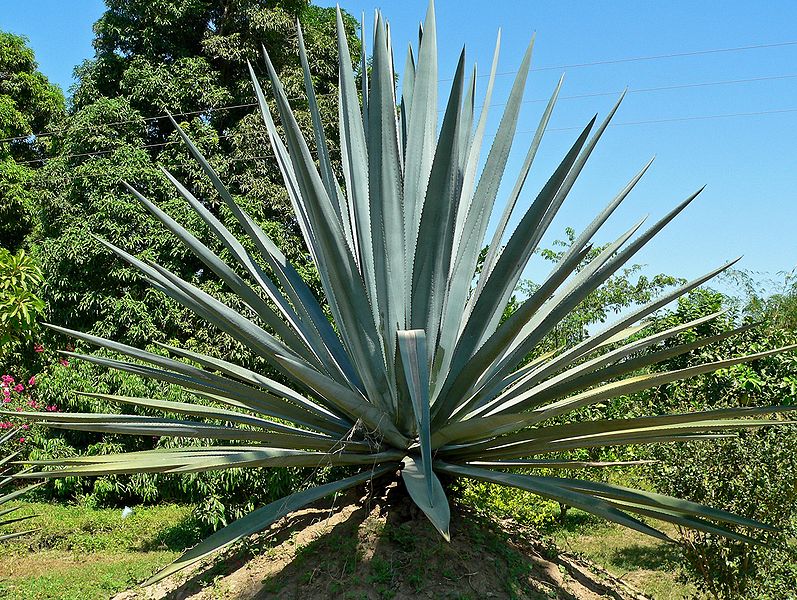
Showdown! Agave VS. High Fructose Corn Syrup

(http://upload.wikimedia.org/wikipedia/commons/thumb/9/96/Agave_tequilana_2.jpg/797px-Agave_tequilana_2.jpg)

Let the showdown begin, but first, a word about agave.

I love it in Coconut Bliss ice cream and I love it in cookies and cakes. I love the perfectly moist consistency without compromised flavor. I love agave-sweetened lemonade. Agave is easy to substitute, relatively cheap to buy (2 bottles for xx bucks at Costco) and easily satiates the pesky sweet tooth.

However.....

I'm very suspicious of it.

Even the organic, raw, "high quality" versions. I'm suspicious even though high quality health food stores carry it. No sweetener should become my darling like agave has become the media's. And something I need to be reminded of--all sugars should be eaten in moderation, even the good ones.

Why I am suspicious of agave:

*It is high in fructose.
*It is higher in fructose than high fructose corn syrup. It ranges from over 55% to 90% fructose.
*Too much fructose is bad for our bodies (see Wiki Fructose, below).
*It is not a locally grown plant. Most agave is imported.
*It is relatively high in calories/about the same as white sugar.
*Though it plays to the tune of my sweet tooth, it keeps me addicted to wanting more sweet stuff.
*It offers no nutrients or benefits to my body.
*There are healthier sweeteners like date sugar, fruit, honey, molasses and stevia.
*There are weak labeling laws for the term "Raw". For the raw foodies out there, you may not be getting what you think you're getting.
*It is touted as low glycemic, however, the glycemic index uses glucose as a measure, not fructose, which can be especially harmful to diabetics, the very people agave is often marketed towards.
*It is touted for it's use in weight loss, but has just as many calories as sugar.
*Fructose has been linked to: raised triglycerides, fatty liver disease, diabetes, heart disease, hypertension, belly fat, and Metabolic Syndrome.

Why high fructose corn syrup deserves more credit than agave:
*It is a by-product of locally-grown corn, whereas most agave nectar is imported.
*It is lower in fructose than agave. The HFCS used in soft drinks is 55/45, fructose/glucose and the HFCS in foods and baked goods is about 42/58, fructose/glucose.
*It's cheaper (true, but obviously tongue-in-cheek)
*Yes it's more processed than agave, but there is no fear of any company adding high fructose corn syrup as a fill to high fructose corn syrup.....
*I have no idea if high fructose corn syrup comes organic.

High fructose corn syrup makes me cringe, so don't get me wrong. It's just that agave should make me cringe, too, but because it is touted as this super-wonderful alternative to sugar the vibe seems to be positive. Neither one offers much of anything but calories. Ahhhh, media hype.

For those of you who read my previous post about agave, here are more bits and pieces of information:

"Refined sugar, corn syrup, and agave nectar contained minimal antioxidant activity...." -Journal of the American Dietetic Assocation .

"Fructose consumption has also been related to the metabolic syndrome and to abnormal lipid patterns. This evidence suggests that we should worry about our current level of fructose consumption, which has been increasing steadily for over 200 years and now represents over 10% of the energy intake of some people." -Int J Obes

Marion Nestle mentions agave in her blog, Food Politics:

"Q. Can you please explain what benefits, if any, there are in using a “natural” sweetener, e.g. agave, over regular sugar? Are there any differences in terms of glucose/fructose makeup?

A. Agave is more expensive so you probably won’t use as much of it. Beyond that, it is higher in fructose than table sugar or honey. This is because agave contains inulin, a polymer of fructose, which must be hydrolyzed (broken down by heat or enzymes) to fructose to make the sweetener. It’s a processed sweetener requiring one hydrolysis step, requiring more processing than honey and less than high fructose corn syrup. It has the same number of calories as any other sugar, about 4 per gram or 16 per teaspoon."

"HFCS [sub the word agave here] does contribute to added sugars and calories, and those concerned with managing their weight should be concerned about calories from beverages and other foods, regardless of HFCS content." -Am J Clin Nutr.

The following articles have more information about agave and fructose:
Unfortunately, some of my favorite sources had very little or nothing to say about agave nectar. To me this means it is under-studied and another good reason to stick to other sweeteners.

This article is from the Mercola website:

{"Agave syrup is neither a natural food nor organic.

Fully chemically processed sap from the agave plant is known as hydrolyzed high fructose inulin syrup. According to Dr. Ingrid Kohlstadt, a fellow of the American College of Nutrition and an associate faculty member at Johns Hopkins School of Public Health, '[Agave is] almost all fructose, highly processed sugar with great marketing.'

Agave syrup is not low calorie
.
Agave syrup is about 16 calories per teaspoon, the same as table sugar.


Agave syrup may not have a low glycemic index
.
Depending upon where the agave comes from and the amount of heat used to process it, your agave syrup can be anywhere from 55 percent to 90 percent fructose! (And it's likely you won't be able to tell from the product label.) This range of fructose content hardly makes agave syrup a logical choice if you're hoping to avoid the high levels of fructose in HFCS. And if you're diabetic, you should know that the alleged benefit of agave for diabetics is purely speculative. Very few agave studies have been documented, and most involved rats. There have been no clinical studies done on its safety for diabetics.

Other Reasons You Should Steer Clear of Agave (Mercola article, continued)
1. There are very few quality controls in place to monitor the production of agave syrup. Nearly all agave sold in the US comes from Mexico. Industry insiders are concerned agave distributors are using lesser, even toxic, agave plants due to a shortage of blue agave. There are also concerns that some distributors are cutting agave syrup with corn syrup--how often and to what extent is anyone's guess. In addition, the FDA has refused shipments of agave syrup due to excessive pesticide residues.

2. Agave syrup is not a whole food--it is fractionated and processed. The sap is separated from the plant and treated with heat, similar to how maple sap is made into maple syrup. Agave nectar is devoid of many of the nutrients contained in the original whole plant.

3. Agave syrup is not a live food. The natural enzymes are removed to prevent agave syrup from fermenting and turning into tequila in your food pantry or cabinet.

4. Agave is, for all intents and purposes, highly concentrated sugar. Sugar and sweeteners wreak havoc on your health and are highly addictive."} -Mercola.com


Let's keep the discussion open. Can't wait to hear your thoughts on this one!

Monday, February 1, 2010

Agave VS. High Fructose Corn Syrup

Stay tuned this week for the nitty gritty details.

It's not going to be pretty.

Thursday, January 28, 2010

Humble Pie

I totally pride myself on my health. I love telling people that it's been "xx" this many years since I've been sick. I have felt especially immune, cutting out sugar, so I figured that as long as I was sugar-free, my immune system would have superpowers strong enough to keep me from all harm.

Yesterday I had one of the worst fevers I've ever had. My body ached. My throat just burned. But that was all. No other symptoms, so I'm doubtful it was the swine flu, which seems to include nausea, vomiting and diarrhea. However, whatever it was really threw me for a loop. I took a naturopathic approach to my symptoms and let my body have its fever. I needed it to kill the virus that attacked me. I used to pop pills immediately upon feeling yucky, but now I know the importance of our body giving us a fever. It is to help us! If we treat that "symptom" we are only prolonging the flu/virus.

So, today was about recovery. It took a lot out of me to withstand the aches and pains and chills of a high temperature yesterday. My plan was to stay home all day and rest today. Then this morning I ran out of toilet paper.

Do I:
a. Take some from the public facilities in our building?
b. Hold it all day until husband can pick it up on his way home?
c. Go out and get t.p. myself?

I went out. I knew it would be refreshing to get outside today. But on the way to the grocery store I was hit head-on by a woman in her brand new 4x4 pick-up. She pulled out of a store parking lot from behind a parked truck and couldn't see me. I slammed on my brakes but still slammed into her. We pulled over and I had to wait for an officer to arrive who spoke Spanish. Unfortunately my 3+ years learning/practicing Spanish did not amount to much in this situation. It was funny, though. I told the officer that it was my brother's car I was driving and that my brother is currently in Guatamala studying Spanish. It was ironic.

Ironic and humbling, which is why I share this recipe with you.

Humble Pie

1 part being humble
1 part keeping my mouth shut
2 parts being sensitive to others

Practice this daily for best results!

Tuesday, January 26, 2010

Quick, Healthy Breakfast Tip


I was so excited a few weeks ago when I brought home my super-healthy container of organic steel cut oats. Then my heart sank when I read the instructions. It would take over 35 minutes to make, which it did. When I make breakfast, I usually have to do it fast because as soon as I start to feel hungry in the morning, the hunger rages.

I learned something, though. I made too much oatmeal but realized I could refrigerate it and heat it up again the next morning. What may seem obvious to all of you seemed to me a streak of pure genius, until a friend told me, "I've been doing this for years." The next day, I scooped out a cup of the cold, hard, but cooked oatmeal and added it to a pan of an inch of boiling water. I stirred the cold oatmeal until it softened and then added frozen blueberries (from my long-lost blueberry trees back home!) and then pecans. In just a minute or two I had a piping hot, fresh bowl of oatmeal. The following several mornings were just as easy. Now, if I can suffer through making a large pot of oatmeal from scratch once every five days or so, I know I'll have left-overs to last all week.

As far as toppings, anything goes: nuts (especially if you toast them first or caramelize them in honey), seeds, dried fruit, coconut, berries, mango, apricot, bananas, vanilla, cinnamon, etc.

For a bright purple oatmeal that your kids will love, put blueberries in right away and stir until they bleed into the oatmeal.