Welcome to My Year Without

On January 1, 2008, I made a New Year's resolution to cut out refined sugar for one year. I cut out white refined sugar and corn syrups. My quest to be sugar-free evolved into political interest, public health, and letter writing to food manufacturers. Join me in sugar sleuthing, and learn more about the psychological aspects of sugar addiction, and those who push sugar on us.

Showing posts with label Ingredients. Show all posts

Tuesday, April 28, 2009

I'm Nuts For Macadamia Nuts!

Do you have a sweet tooth and like macadamia nuts?

I love them. They are my new favorite snack.

Macadamia nuts have ruled my last two weeks. I don't typically think about buying them when I'm at the grocery store, but since I ate some recently, I will always make sure I have them on hand. Here's why:
  • They're delicious.
  • They quell my near-insatiable sweet tooth.
  • They're rich.
  • I can't overdo it--they're very filling!
  • I discovered they make an awesome topping for chocolate coconut ice cream, and they compliment plain yogurt quite well with small slices of fresh strawberries.
  • They are truly decadent.
They are high in fat, but the good kind of fat, so go ahead, indulge a little!

I found an intriguing recipe at: Diet, Dessert and Dogs, for Raw Key Lime Tarts. They look incredible and the crust calls for macadamia nuts. Haven't tried them yet but they are at the top of my list of goodies to experiment with! Agave is the sweetener used in the filling. Yum.

Sunday, March 15, 2009

A Night of Decadent Abandon

I am currently under the spell of a pear tart. Sweet pear brandy combined with honey is lingering on my breath. It's a holiday for my mouth and a romantic interlude between the senses. Brief sips of wine cleansed my palate between each morsel. Each bite of tart was delivered on a magic carpet ride of fresh, home-made whipped cream. I'm thirsty but I don't dare wash away the flavors dancing in my mouth right now.

My evening began with a drive into town for pizza. I had to pick up Jeff's favorite. (Consequently I parked too close to a car in the parking lot and hit the side of it with my car door. I pretended to not notice the small scratch/dent it made when all of a sudden I noticed activity inside the car. Somebody was inside! I played dumb and walked away. No integrity there!) He would not be joining me in my vegetable experimentations. As he satiated himself on cheese, sauce and thick doughy crust, I conjured up a recipe for my left-over quinoa from the day before. I began by chopping up fresh kale, red chard and turnips and throwing them in a little stir-fry pan with coconut oil and some water. I let that steam for about 10 minutes and then set that aside.


I got out the loaf of tempeh that I have been saving and cut several thin slices. I threw them in the stir-fry pan and let them sizzle a bit before I realized that I would do anything to add BBQ sauce. Well, everyone knows that there is no such thing as sugar-free BBQ sauce, so I decided to try making my own. I got out my agave-sweetened ketchup and then grabbed a bottle of Jeff's BBQ sauce to look at the ingredients. Then, I put some ketchup in a little bowl and added red wine vinegar and molasses. Those seemed to be the most prominent ingredients on the label of the BBQ sauce. I mixed it all together and tasted. Wow. Very.....strong. Spicy. It was delicious. I ladled it atop of my tempeh and let it sizzle for a few minutes. It didn't take long to carmelize on the pan and cover the tempeh. I was ready to chow.


I added the finished BBQ tempeh to my plate of vegetable quinoa and just sat staring at it. It looked so good and I didn't want it to go away. I knew even before I took a bite that this was going to be one of the best dinners I've ever made. And it was so quick to make. I tried experimenting a little with different types of vinegars to make the BBQ sauce, but nothing tasted as good as the red wine vinegar.

The result was that I ate my entire dinner with my eyes closed. It was heavenly. Instead of having any thoughts during dinner, I experienced a kind of nirvana. A zen of nothingness but one of my senses. My tongue was pleased and I felt quite satisfied. I did not get a sweet tooth attack after dinner. I felt perfectly satiated without feeling overfull.

That was just the beginning of several culinary experiences tonight. After dinner I joined my husband outside in the freezing cold to observe a new favorite past time: making giant soap bubbles. They are particularly neat in the dark with a flashlight shining directly on the bubble. We had fun practicing making those for a while and then brought our chilly bodies inside.


I was still nice and full from dinner but wanted to sample a new chocolate bar I found a few days ago at a little local co-op. The chocolate bar was made with raw ingredients: cocoa, vanilla, himalayan salt crystals and amber agave nectar. I broke off a small piece and popped it in my mouth. Not expecting heaven (sugar-free afterall!) I was pleasantly surprised at the mild flavor. It was very dark chocolate but sweet. There was a nice balance of sweet to salty. For being sugar-free and only having four ingredients, it was wonderful. I broke off another tiny piece and savored the cocoa as it melted slowly on my tongue. What a perfect ending to a delicious evening of vittles.

Then the doorbell rang. Audrey our neighbor was standing in the dark on the front porch carrying a basket of something and a bottle of wine. We invited her in and she set out the pear tart that she had made earlier today in preparation for her dinner party this evening. She had an uneaten tart leftover. She also brought a little dish of sliced pears floating in pear brandy, made locally here in Oregon at Clear Water Creek distillery. The last dish contained her home-made, honey sweeted whipped cream. I pulled out the wine and poured a small glass.

Horse Heaven Hills is a local Washington winery. Audrey's dinner party tonight was themed "Local Ingredients." She spent all day yesterday searching for local ingredients and came back with a plethora of food items and information about farms, co-ops and locally milled flours. As I sipped the cab, she told me about her dinner party. Everyone brought homemade food made with local ingredients. The farthest location of an ingredient was a cream cheese made in Sierra Nevada. It helped form the perfect crust for the pear tart.


Audrey's pear tart was so beautiful I hated to cut into it. Two seconds later I was slicing a piece for myself. I added a few dollups of whipped cream and the rest is history. I sat on cloud nine savoring the delicate flavors of pear, cinnamon, brandy and a resonating honey after-taste. She had substituted whole wheat flour for white, and the results were perfect. The crust is indescribable. Pear brandy mixed with a bit of honey had crystalized on top of the thinly sliced pears and it tasted like caramel.

I was not expecting to indulge in decadence like this tonight. My plan was to sip herbal tea until I began to feel tired. Instead, I got surprised with an evening of delectable flavors and great conversation.

Here are the recipes from tonight:

My Homemade BBQ Sauce (really good, but you could probably do better)

Mix these together and enjoy: About 1/4 C. agave sweetened ketchup, less than 1 tablespoon molasses and less than 1 tablespoon red wine vinegar.


Quinoa & Vegetables Lightly Steamed with Coconut Oil

Cook quinoa normally. Chop red chard, kale, turnips and throw in stir-fry pan. Add about 1 tablespoon of virgin coconut oil and add about 1/2 C. of water.

Cover and steam for about 10 minutes or so. Add pre-cooked quinoa for the last few minutes. Remove from pan and add sea salt. Enjoy!


BBQ Tempeh

Slice thin pieces of tempeh from tempeh loaf. Throw into stir-fry pan and sizzle on medium-high. Flip them once while sizzling. Throw on BBQ sauce until it bubbles. Remove from pan and enjoy!


Audrey's Pear Tart

Whip heavy cream with honey and a little pear brandy to accompany tart.

2 ounces cream cheese
4 tablespoons unsalted butter, room temperature
1/2 C. whole wheat flour, plus extra for your hands
1/2 C. plus 1 1/2 tablespoon honey
1/8 teaspoon salt
2 tablespoons freshly squeezed lemon juice
2 tablespoons pear brandy
1 Bosc or Red Bartless pear
1/8 teaspoon ground cinnamon

1. Heat oven to 400 degrees with rack in center. Line an air-cushioned baking sheet with parchment. Combine cream cheese and butter in a food processor. Add flour, 1/4 C. honey and the salt and process until combined. Dough will be sticky. Turn dough out onto prepared baking sheet. With lightly floured fingers, pat dough out into a flat 8-inch circle.

2. In medium bowl, combine 1/4 C. honey with lemon juice and brandy. Halve pear lengthwise; core; leave skin on. Cut lengthwise into 1/4-inch-thick slices; transfer to lemon-juice mixture; coat well. Place slices in strainer to drain liquid. Arrange lengthwise around border of dough, overlapping slightly. Arrange remaining slices in center. Drizzle tart with a little pear brandy-honey mixture. Dust pears with cinnamon. Bake until golden, 25 to 30 minutes. Enjoy!

(recipe alterations courtesy of Audrey of course; original recipe: Martha Stewart Living, Oct 97)


Alas, as I write this the last of the sweet flavors have dissipated into enzymatic digestive juices. I sip herbal tea and prepare for a night of dreams about more dessert. It was a most fun evening. Thank you Audrey!

Friday, March 13, 2009

Real Food Revolution Begins with Fight Back Fridays

The goal is to promote real food. Not Twinkies, Splenda, hot dogs or soda. Real food that our grandparents used to eat. What a concept, eh? It's one of my favorite concepts in the book, "The Omnivore's Dilemma."

"I'm a Food Renegade," blogger is starting a new online revolution. The goal is to influence and "change the way America (and the industrialized world) eats!"

If you click on her blog above, you will find a list of healthy bloggers and links to their sites about various topics. You'll find ingredients, information about losing weight, recipes and other healthful tidbits that will influence this food revolution. I added information about Tips on How to Cut Out Sugar. I like the idea of getting together and sharing all different kinds of information.

Enjoy!

Tuesday, March 10, 2009

Naturally Sweetened Chocolate Lover's Recipe

I found a new recipe. It looks incredibly rich and creamy and makes me think of mousse. I haven't made it yet because I am one ingredient short, but here it is anyway, the Decadent Chocolate Pâté, brought to you by the Avoiding Milk Protein blog. The origin of the recipe comes from the Sweet Freedom blog, which is putting out a recipe book in May. I peeked around the recipe book's website and the concoctions are mouth-watering. The author/recipe-builder presents pictures of thick buttercream frosting atop a cupcake, glazed almond bars, butter tarts, berry crumble cake and chocolate pudding to name a few. What I'm most excited about is that all of her recipes are sweet but "free of wheat, eggs, dairy and refined sweeteners." I can't believe it! Although I use wheat, eggs and dairy sometimes, I am excited to find a healthful, naturally sweetened perspective on goodies. I'm not sure if she uses any artificial sweeteners, but as far as I could tell, she doesn't. Look for her recipe book, Sweet Freedom, in May.

Decadent Chocolate Pâté


1-1/4 cups (7 oz. or 210 g.) nondairy dark chocolate (70% cocoa is best), chopped

1/4 cup freshly squeezed (essential!) orange juice (remove larger pieces of pulp)

1 small ripe (but not squishy) Haas avocado, peeled, pitted and cut into chunks (about 110-120 g. flesh)

2 Tbsp. (30 ml.) pure maple syrup

1 tsp. (5 ml.) pure vanilla extract, optional

Line three individual-serving loaf pans or a single small loaf pan with plastic wrap. Set aside.

Place chocolate in a heatproof glass or metal bowl and set over a pan of simmering water. Melt together with the orange juice and maple syrup, stirring frequently, until perfectly smooth.

Meanwhile, in a food processor, purée the avocado, making sure to scrape down the sides so there are no lumps. Add the chocolate mixture and vanilla and purée until perfectly smooth, creamy, and glossy. It will have the texture of an old-fashioned cooked pudding–thick and almost glutinous. Turn the mixture into the pan(s) and smooth the top(s). Refrigerate about an hour until the top is just firm, then cover the top with more plastic and refrigerate overnight.

To unmold, remove the top piece of plastic. Place a serving plate upside down onto the loaf pan, then, holding the plate against the pan, turn the whole thing over so the pan is on top and the plate is on the bottom. Remove the loaf pan, then carefully peel off the plastic. To cut into slices, use a long, sharp knife that has been dipped in hot water and wiped clean between slices. A little goes a long way–one individual-serving loaf will serve 3-4 people (or 9-12 servings for the entire batch of pâté). Serve with fresh berries, cream, or other fruits.

Tuesday, February 24, 2009

Why Do You Eat THAT?

I am curious why you eat. Upon discovering that so much of our food supply is filled with non-foods, I started wondering why we eat them. Why are there non-foods in our food? Isn't the point of eating all foods, to digest and glean the nutrients from those foods so we can be healthy and stay alive? Why are there so many chemicals added to food? (Food colorings, artificial sweeteners, preservatives, etc.) None of these even claim to be a food. They are just added to food. Why? If your food is sweeter and brighter-colored than a competitor product, you will buy it. It's about money.

I have also reasoned that we no longer eat responsibly. To survive. We eat as a luxury and a form of entertainment. Food is entertaining. Because we have evolved so much (have we?) from the cave-people days, we don't look at food as a means of survival anymore. We eat for fun. There is so much food. Everywhere. Few people (I am generalizing, here. See *below.) think of food as their means to staying alive another day. Rather, people make their food choices based on an emotion, a social context, or for psychological reasons. I'm even going to postulate that most of us eat when we want to, instead of basing what and when we eat on hunger.

I am curious why people eat when and what they eat. Very recently I reread some facts about sucralose, otherwise known as Splenda. The truth about sucralose is that it is not a food. It is a powder made from sugar, but the body cannot digest it. I repeat, the body cannot and does not digest sucralose. Yes, Splenda. But we eat it. (Actually, I don't touch it, but it gets sneaked into the ingredients of some least likely items. My most recent discovery was sucralose in Airborne.)

This brings me back to why we eat. We are not eating Splenda because we are hoping to get nutrients into our bodies to help us live longer. We eat it as a luxury because we are addicted to sweetness and need our food and beverages to taste a certain way. We won't eat or drink something that isn't to our liking. Food corporations know this. Why else do all of these strange ingredients end up in our food? It is not because billion dollar food companies care about our nutrient intake. It is about selling a product that is more flavorful and colorful than its competitor. We eat chemicals disguised by the charming foods they are in.

Long ago (albeit still in some cultures), every drop of food counted. For survival. For health. For maximum nutritional caloric value. I can picture a cave person finding a yellow or green M&M laying around, and passing over it as something poisonous. Those bright colors and the crunchy outer shell with an "m" are not natural!

I am concerned because supposedly we have come so far, and yet we are using our brains and our intuition much less. We count on others doing the thinking for us. If something is sold at the grocery store, it must be okay. If a "food" is offered at a restaurant, it must be okay. After all, we are all so busy and caught up in other things, who has the time to consider whether a food is healthy or dangerous?

I believe that in an effort to survive, our cave-people ancestors used better judgment and more intuition in their hunting and gathering, than we use at the grocery store today.

What we can do:
  • Read labels.
  • Research strange words that you find on labels and ingredients lists.
  • Write to food companies.
  • Stop buying (endorsing) food products that you don't believe in.
  • Spread the word. Be an advocate.
  • Recognize advertising and marketing tactics.
  • Use your intuition. If fat-free Oreos seem too good to be true, there is a reason.
  • Eat more fresh, local, organic foods.


*Disclaimer: I acknowledge that hunger/starvation exists, both in and out of our country. I volunteer with and advocate for groups like Meals-on-Wheels who help provide needy people with nutritious meals. I generalized and stated the above for argument's sake.


Sunday, February 22, 2009

Is There Sugar in My Beer? -Special Guest Post


Michael Tonsmeire is a homebrewer and fermentation nerd living in Washington, DC.

Most people love a good beer, but what really goes into making a beer anyway? Sure most people know malt and hops are important, but is that it? With the huge number of microbrews and imports available these days, walking into a well stocked beer aisle can be almost as intimidating as trying to pick out a wine. There are no ingredient lists on the bottles or six packs so how are you supposed to tell if any of them contain refined sugars?

Even though most people drink beer, few people really know how barley and hops end up as an alcoholic liquid. Whether you are brewing a 5 gallon batch of Russian Imperial Stout at home or a 500 barrel batch of Light American Lager at a mega-brewery the general process is the same, even if the equipment and scale are completely different.

Malted (sprouted then dried) barley is crushed, then mixed with hot water. The color and malt flavor of the beer are determined by the amount and type of specialty (roasted or caramelized) malts that are included. This mixture (called the mash) is held at 150 +/-8 F until the enzymes activated in the malting process break down the starches (made up of long chains of sugar molecules) contained in the endosperm. The majority of the resulting sugar is maltose, but glucose, sucrose, maltriose, and unfermentable dextrins are also created. By controlling the temperature of the mash the brewer can control the general distribution of the different types of sugar created (which in turn determines how sweet the resulting beer will be).

Next comes the sparge where more hot water is slowly added to the top of the grain to help rinse out more of the sugars as the sweet liquid is allowed to drain out the bottom. Along with the sugars, malt flavor, proteins, tannins, and nutrients are also extracted and washed into the brew kettle.

The sweet liquid (now called wort) is brought to a boil. Hops (a flower) are added at various points during the boil for their bittering and aromatic qualities. After a 60-90 minute boil the wort is run through a heat exchanger (to cool to ~65 F for an ale or ~50 F for a lager) and then into a fermenter. Yeast (a single celled fungus) and oxygen are then added to the wort. During the next 12 hours the yeast cells use the oxygen to help them to reproduce. Once the oxygen is used up the yeast switch to anaerobic mode and begin to ferment the sugars in the wort.


Fermentation creates energy for the yeast cells and produces ethanol and carbon dioxide as byproducts (the carbon dioxide is allowed to bubble out of the fermenter). Once fermentation is complete the yeast begins to clump together (flocculate) and fall to the bottom of the fermenter where it can be removed and added to a fresh batch of wort.

After 14-21 days fermentation will be complete and the beer will be pretty clear (lagers are then stored for a period of weeks or months at low temperatures to allow for the flavor to mellow further). At this point the brewery has several options on how to package the beer for sale. Many start by filtering or centrifuging the wort to remove any remaining yeast cells and haze causing proteins. To carbonate the beer the brewer has two options, force in carbon dioxide (in the same way a soda is carbonated), or introduce a small amount of fermentable sugar along with some fresh yeast to create natural carbonation.

This is how a basic beer is made. I don't have the space here to go into using fruit, herbs, spices, coffee, dry hops, honey, lactic acid bacteria, unmalted grains, or any other fun stuff. If you want to learn more about these topics check out my blog.

Since the point of this article is supposed to be how refined sugars are used in brewing, I better get to it.

The good news for anyone looking to avoid refined sugars is that most commercial brewers don't use them. Most beers get all of their sugars for fermentation from the whole grains in the mash. In addition to the malted barley this can include malted or unmalted wheat, oats, rye, rice, and corn/maize.

There are some styles of beer which do have some refined sugar added to the wort. Belgian (and Belgian Style) beers are the most notable example. Many strong Belgian beers get 15-30% of their pre-fermentation sugar in the form of refined beet sugar (sucrose), although this sugar is often caramelized before it is added to darker beers. The sugar helps to lighten the body of the beer and improve drinkability. The good news is that the yeast selectively consumes sucrose and glucose before moving on to maltose and the more complex sugars. This may be one of the most important points for some of you, so I will quote George Fix from page 99 of Principles of Brewing Science:
The elementary sugars glucose and fructose are generally the first to enter the yeast cell. They are followed by sucrose. Before entering the cell, sucrose is first inverted, or split, into glucose and fructose units by invertase.
...
Maltose is brought into the cell at a slower rate than glucose or sucrose. Maltose is transported intact into the cell by the maltose permease enzyme (maltase) and then split inside the cell into two glucose units by the enzyme β-glucosidase.

Some of the cheapest American lagers, malt liquors, and cream ales contain a large amount of corn syrup (up to 40% of their fermentables), but if you are the sort of person worried about consuming refined sugars I am guessing you don't drink a lot of cheap beer (I'm talking even cheaper than Bud/Miller/Coors which each contain corn or rice).

If a brewery wants to do natural carbonation (called bottle or cask conditioning if done in the serving vessel) the brewers can choose to add either a bit of unfermented wort or refined sugar (most often sucrose or glucose). If refined sugar is chosen the amount is the equivalent of just ½ tsp per bottle and effectively all of that consumed by the yeast, creating CO2 which is trapped in the beer along with a tiny bit more alcohol.

In the US many breweries are experimenting with other sugar sources which lighten the body while providing some of their own character. Some examples include honey, maple syrup, date sugar, agave nectar, gur, brown sugar, molasses, and unrefined sugars such as turbinado, muscovado, and rapadura. These are rarely used for more than 10% of the fermentables in a standard beer, but a rare style called a braggot is a combination of a strong ale with a large portion of honey.

If you want to know exactly what goes into a beer you are buying you will need to do some research because the US Government does not want ingredient lists or nutritional facts on alcoholic beverages. Apparently they feel that nutritional information would lead people to think that beer should be thought of as food. I think a whole grain beer is much better for you than an ultra-processed soda, so what if it contains alcohol? Making ingredient lists and nutritional labels mandatory would empower consumers allowing them to weigh the information for themselves.

What to remember:
An obscure Belgian style called Faro (a lambic back sweetened with candi sugar after fermentation) is the only beer that I am aware of that routinely contains unfermented refined sugar.

Virtually no other beers contain sugar molecules from refined sugar because even when they are used the yeast converts them into alcohol and carbon dioxide.

Some English and American style beers (even lower gravity ones) may have a small proportion of refined sugar added to the wort to help lighten the body.

Due to the influence of the Reinheitsgebot (Bavarian brewing purity law) no German brewers add refined sugar (or anything besides malt, hops, yeast, and water) to their beer.

When in doubt take a look at a brewery's website or email them, most will be happy to answer your questions and let you know which if any, of their beers are brewed with refined sugar.

Hopefully this article has answer many of the questions related to the use of sugar in brewing, but if you have anymore please feel free to email me at madfermentationist@gmail.com

References:
Fix, George. 1999. Principles of Brewing Science. Boulder: Brewers Publication.
Hieronymus, Stan. 2005. Brew Like a Monk. Boulder: Brewers Publication.
Mosher, Randy. 2004. Radical Brewing. Boulder: Brewers Publication.
Palmer, John. 2006. How to Brew. Boulder: Brewers Publication.

Wednesday, January 21, 2009

"Genes Remember Sugar"-an interesting study

Here is another undeniably good reason to give up the white stuff: Your genes may remember the sugar it had and alter your DNA.

Not in a good way. It will not alter your DNA to look like a Sugar Disneyland. Rather, the Australian research study found that, "cells showed the effects of a one-off sugar hit for a fortnight, by switching off genetic controls designed to protect the body against diabetes and heart disease." Read more, here.

Granted, this is one study. It was done by the Baker IDI Heart and Diabetes Institute. In my opinion, it's worth taking note of until further studies confirm these findings. Trust me, I wish research studies found that white sugar was good for us. I could go back on the white stuff and never look at another food label again--it would save me several minutes at the grocery store. I could go back to eating my favorite cereals. I could stop writing to companies--or keep writing them and instead ask for more sugar in their products. I could buy a package of Oreos, confident that the sugar rush I would experience is actually good for me! This is what I would like to be the truth.

The fact is, sugar has been a problem for generations, and because it has found its way into more and more products (black beans and toothpaste...), we are ingesting more and more of it and our national health issues (especially diabetes, obesity and heart disease) have grotesquely increased.

I have no idea what researchers will find in the next several years as the effects of sugar will continue to be studied. My guess is that what they find will not be good. My body (and yours, too) can attest to the fact that refined sugar is not good for it. To get even more ridiculous, I will use the Garden of Eden arguement: if we were meant to eat something, it was readily available in that garden. Sugar cane, yes. White refined sugar, no. Honey, yes. Corn syrup, no. (Using this reasoning I can't help but wonder if I'm being duped by the "health food" industry in buying products like brown rice syrup, agave nectar, molasses....)

Next on my list of things to do is research universities. There is only so much I can say at my current level of education. There is only so much I can say about sugar with a Psychology degree and massage therapy license. I am willing to pay a hefty price for a Public Health degree combined with a Registered Dietitian license to earn the right to make certain statements. Especially to doctors that continue serving green Jell-O to their patients (sorry, I can't let that go.)

press release: http://news.yahoo.com/s/afp/20090116/hl_afp/healthaustraliageneticssugar;_ylt=At8juaZrV2AoHEmOvom1Hj4PLBIF
Journal of Experimental Medicine: http://jem.rupress.org/
*Full article is not published yet at the time of this post.

Saturday, January 17, 2009

Sugar in Moderation?

If you are able to eat sugar in moderation, I would love to hear how you do it.

Most of the people that I have talked with tell me that moderating sugar consumption is nearly impossible. It's more practical to give it up completely than to try and ingest it in small doses. For many reasons. One of which is that it's in everything. Just because the ingredients on the packaged food product may not say, "sugar" does not mean that sugar is not in there. Products that tout themselves as health food, and yet use a sneaky word actually meaning sugar, are just deceiving their customers. Write to companies that are using this marketing tactic. Email them, call them, send them mail. Tell them you don't appreciate their tricky marketing. Ask them to use natural sweeteners. Here are a few examples of tricky gimmick words used to perpetuate the idea that sugar is not in the ingredients, when indeed it is.

List of ingredients meaning sugar: "Saccharose, Sucanat, Sugar, Granulated Sugar, Refined Sugar, Brown Sugar, Cane Juice, Evaporated Cane Juice, Evaporated Cane Sugar, Cane Sugar, Raw Cane Sugar, Demerera, Muscovado, Turbinado, Cane syrup, Beet syrup, Baker's Sugar, Bar Sugar, Barbados Sugar, Berry Sugar, Chinese Rock Sugar , Confectioners Sugar, Gemsugar, Polincillo, Rock sugar, Wasanbon" to name a few.
(This list was compiled by Methuselah on the great, "Pay Now Live Later" blog.)

Take charge of how much sugar to eat, if at all. I understand that for some of us, cutting down on something is easier than cutting it out completely. Some of you "avoid" as best you can, but don't get down on yourself when you have some. I guess I am an example of someone who takes things to extremes--with sugar for sure. Either give me two pints of ice cream, brownies and hot fudge or give me an apple. If I'm going to be bad, I make it count. If I'm going to be good, I make it holy. This extremism isn't exactly a healthy, balanced take on eating, I realize. Honestly, though, for those of you who balance your sugar consumption, how do you do it?

Thursday, January 15, 2009

Coke Sued for Fraudulent Claims

"Coke Sued for Fraudulent Claims on Obesity-Promoting VitaminWater"--To read the entire article about this class action lawsuit, click here.

This is very important information. I highly recommend that you read this. I will give you a brief synopsis of what this is about, but reading the entire article will shed more light on what is happening.

Basically, Coke has been promoting their product, VitaminWater, to be a healthy source of vitamins, using words like "defense" and "rescue" and "energy" and "endurance". The Center for Science in the Public Interest (CSPI) has called Coke out for making deceptive claims. In case this is your favorite drink, check this out: there are 33 grams of sugar in each bottle, and between zero and one percent of actual juice, despite the yummy juice flavors labeled on the bottles like "grape" "kiwi strawberry" etc. You have been buying sugar water!

This is just one example of why it is so important to check the ingredients of products that you are buying.

ALWAYS CHECK THE INGREDIENTS!

Do not be fooled by a healthy label implied on the front of a product. The truth is, the label might be deceptive, but no matter what, the label has been created to sell you a product. Companies selling packaged foods are in the business of making money. Many of these companies could care less about your health. Grocery stores sell products that make themselves money, so even your local grocery store does not necessarily have your health in mind. If you are not sure, just walk through a grocery store and look at the products on the shelves. When it comes to the end of the month sales, the products that are high in demand (we as consumers have control over this by what we choose to buy and not buy!) will be stocked on the shelves again.

If in doubt as to what companies to buy from, which products are healthiest--buy fresh produce and/or ingredients to make your own food. If you do not have enough time to do this or to check ingredients in foods, consider re-examining your priorities. What we ultimately care about is what we end up doing. In my opinion, it is never a sacrifice to be sure that I am eating the right foods. If you know a health-nut, ask that person their opinion to save you some time.

I love what the Executive Director of CSPI says,
"My advice to consumers is to get your vitamins from real food. If you have reason to believe you have a shortcoming of one vitamin or another, perhaps take an inexpensive supplement. But don't seek out your vitamins in sugary soft drinks like Coke’s VitaminWater."
(-http://cspinet.org/new/200901151.html)

Wednesday, January 7, 2009

Late Night Munchies Syndrome

You've eaten dinner. You ate enough to satisfy your belly for the rest of the evening.

But...

All of a sudden....

You get the munchies! You are not even hungry!

Do you have the late night munchies syndrome?

Look here to find out!


You have eaten a complete meal for dinner (maybe you've even overeaten!):
  1. Within a few hours or less you find yourself wandering through your kitchen.
  2. You look for something to eat, but you're not hungry.
  3. You look for something to eat because you're bored.
  4. You look for something to eat to distract you from something else.
  5. You look for something to eat to procrastinate.
  6. You look for something to eat out of habit.
  7. Your sweet tooth is talking. Hollering. Screaming!
  8. You begin to think of alternatives to eating, because you're not hungry, but you know there is ______ (add your naughty goodie here, that you currently have in your kitchen).
  9. You want something to eat, so you try to feel hungry, even though you're not.
  10. You're with someone who gets the snacks out, or goes through a fast-food drive thru.
  11. You're at a party and (see 2-7 above).
  12. You're angry about something, so you snack-out, but you're not hungry.
  13. You feel bad about yourself for some reason anyway. You might as well have a few moments of eating something that tastes really good.
Having the late night munchies syndrome does not mean that you are hungry. You might be hungry, but more often than not, the late night munchies syndrome is a very, very bad habit. If you were really hungry, you'd eat some healthful food, right? A banana, some peanut butter and celery, toast, or cottage cheese to name a few. Unfortunately, the late night munchies syndrome has developed over time, and from your habit of giving in to it from the beginning. When you don't give in to it, you feel empty like something is missing. You would rather have that sick-to-your-stomach feeling from eating half a bag of chips/crackers/cookies, than have that empty, needy feeling. I understand because I feel like the inventor of the late night munchies syndrome!


How to Overcome the Late Night Munchies Syndrome
  1. Eat a healthy, well-balanced meal for dinner.
  2. Drink plenty of water.
  3. Find interesting things to do after dinner.
  4. Don't sit around watching television every night. If you do, prepare healthy snacks ahead of time.
  5. When you feel like you're going to give in to the munchies, call a friend or someone that you have been meaning to talk to.
  6. Go for an evening walk. This is one way people stay healthy, active and young even into their 90's.
  7. If you are on the computer in the evening after dinner, have healthy snacks ready to munch on, and water.
  8. If you enjoy reading at night, keep water and healthy snacks handy.
  9. Purge your kitchen of junk food. Only stock healthy items.
  10. Make friends with your mean roommate if you have one, and give that person all your junk food. Let them get fat.
  11. Stop procrastinating. Do what's on your list of things to do, and if it involves house cleaning, either crank up loud dance music, or if you have little sleeping ones, listen to headphones.
  12. Make a new evening habit. If it's eating, have healthy foods ready to snack on. If it's being more active, invite your partner or a friend or your pet to join you in being active.
  13. Write out a list of reasons why you have the Late Night Munchies Syndrome. Work from there.
  14. Keep snacks handy at all times. In your bag, in your car, in your pocket. Then if you are around others who are eating junk, you can join them in eating, only you'll be eating healthy. Who knows how this will influence your friends. (It's okay if they tease you, it's actually their way of caring and/or telling you that they are proud of you without actually saying it.)
  15. Bake something naturally sweetened and share it with others.
  16. Revisit this post and send it on to anyone else who needs to read it

Benefits of Overcoming the Late Night Munchies Syndrome:
  • You will feel better about yourself.
  • You will identify an unhealthy pattern and begin a new, healthy one.
  • You may lose weight.
  • You will find that evening walks are much more fun than vegging out.
  • You might start eating healthier dinners.
  • You will wake up feeling fantastic!
  • You'll stop feeling sorry for yourself.
  • You might be more productive.
  • Your kids will learn from your habits. What you do, more than what you say.
  • You'll realize your sweet tooth can be overcome!
  • If you can overcome this bad habit, you're more likely to overcome other bad habits.

Monday, January 5, 2009

How To Politely Pass on Dessert

I must be getting my inspiration for this post from all of you, my readers! I have received a lot of interesting questions, suggestions and comments from you, some concerning this very topic, which have inspired me to write about it.

I'll cut right to it--It feels rude to turn down dessert! It's especially tough to turn down if you are a guest for dinner and dessert was made for you. Yikes! Your host doesn't know that you have decided to give up sugar for a week, a month, or a year. What do you do?!?

The psychology of this is quite strange, and I experienced situations like this last year. First of all, you want to please your host and let them know that you are gracious for their time and effort in cooking for you.

It starts off like this: You are welcomed into their home and smell brownies cooking in the oven. Your heart sinks. You forgot to let them know about your no-sugar diet. You start immediately obsessing about what to do. You could tell them about your no-sugar diet, but you know how much they love to bake for you. You know that they will either feel bad secretly, or really let you have it! So, you consider eating dessert anyway. Just a tiny, little piece.

Then, (supposing that you have not said anything about your no-sugar diet) all through dinner you wonder what you should do about dessert. Maybe you should say you're full. But you know that your good friend, or mom, or grandmother, or whomever is your host will talk you into eating dessert anyway. You've already played the "I'm really full!" card, and it's never worked before. All through dinner you are putting a load of pressure on yourself to do the right thing.

There are only two right things:
1. Eat the dessert so you don't offend your host.
2. Be true to yourself and pass on dessert.

What do you do?

At this point, only you know what the right thing is to do. There are a plethora of variables that only you know about your host. Some hosts may not be offended at all if you pass on dessert. Other hosts may act all dramatic and horribly offended but then draw you into a pleasant conversation about your no-sugar diet asking all kinds of great questions. Still others may get pushy and start to get angry that you won't take any--because you've always eaten dessert before and they spent hours working on the Tiramisu!

The "guilt-trip" is my least favorite tactic that a host chooses to use. Little do they know that you are already feeling bad that you didn't disclose your diet ahead of time, and little do they know how difficult it is for you to stick to a diet/resolution! The host who uses the guilt trip most likely uses food as their way of showing you how much they love you. Rejecting their dessert is like rejecting them. This goes way back, generations ago. Grandma always had hot, gooey cinnamon rolls for me because she loved me. Mom always has warm cookies or a chocolate cake made from scratch because she loves me.

I'm not saying that baking for somebody because you love them is a bad thing, but if it's to make the baker feel better about themselves, despite what the eater wants, then it is selfish. Like I said, the psychology of this is strange, and I may be way off. However, I've had a lot of time to think about the meaning of desserts and baking for others, because I've found myself in similar, quite precarious situations! Downright uncomfortable! Fortunately, I declared at the very beginning of the year last year, that I was going sugar-free. Believe it or not though, I had people bug me about my decision all year long! For some reason, going sugar-free makes some people really defensive. Please be patient. Win someone over with your patience and being kind. This will make a bigger difference than a shouting match that you won't win.

How about preventing uncomfortable situations before they happen? I'll share some tactics that I have used, and others that I thought of after offending someone. I never gave in--and I do not regret my decisions.

How To Politely Pass on Dessert:
  • Let your host know ahead of time that you are currently on a no-sugar diet. Ask if you can bring a "naturally sweetened" baked good for dessert, or some naturally sweetened ice cream. (Luna & Larry's--delicious coconut ice cream!)
  • If you've forgotten to let your host know about your diet ahead of time, bring some naturally sweetened goodies anyway, and perhaps a basket of fruit and a bottle of wine, or flavored tea. Let your host know, at the appropriate time, that you forgot to inform him/her about your no-sugar diet, but that you have brought some naturally sweetened goodies/fruit and wine that you would enjoy sharing with everyone.
  • Let's say that not only have you forgotten to inform your host ahead of time, but you have also not had the time to pick up goodies or fruit or wine. My advice to you is STAY TRUE TO YOURSELF ANYWAY! If you give in to dessert out of obligation, not only will you feel bad about yourself, but you may unfairly resent your host for offering you the dessert. It is not your hosts fault if they don't know.
  • In an effort to be polite and stay true to your resolution, if the time comes for you to either take a piece of dessert or decline, be graceful about it. This may make the difference between a pleasant reaction from your host or an all-out shouting match. Politely say, "No thank you. Looks and smells delicious, but I am abstaining from sugar right now." I hope that your host will treat your decision with respect. Whether or not it goes over well with him or her, you will feel incredibly good about yourself, and will be more likely to decline desserts in the future.
I really hope this helps!

Thursday, December 18, 2008

Tips on How to Quit Sugar

Here are tips for those of you who would like to quit sugar for a month, a year, or forever. I find it hard to make forever plans, so I take things one year at a time. I'll probably do this forever.

So, you want to quit white, refined sugar. Maybe you've tried before, maybe you think it's impossible. Maybe you don't want to quit, but you are still curious what the process of quitting looks like. Maybe you need a year to think about quitting. For me it's cold turkey or I won't do it. I realize this isn't the tactic for everyone, but even if you quit sugar slowly, weaning yourself from the addiction day by day, I think these pointers will work for you, as well. If you have any pointers of your own or suggestions or comments, please let me know, as I will most likely re-post on New Year's Eve. What works for you? Do share!

* * * How to Quit Sugar * * *
  • Make a grocery list and visit a local health food store. If you don't have a health food store in the area, try to find these items anyway, or do some online ordering.
  • Stock your kitchen with all kinds of naturally sweetened goodies. Here are some examples for when that sweet tooth comes a'callin:
  • 100% fruit juice (I'm not a wine snob, I'm a grape juice snob. I drink R.W. Knudsen)
  • Dried fruit, fresh fruit, frozen fruit (smoothies)
  • Naturally sweetened cookies and ice cream
  • Ingredients to bake with: natural sweeteners, grain-sweetened chocolate chips, pure cocoa, unsweetened almond or rice milk, honey, molasses, agave, brown rice syrup, etc.
  • Buy some flavored tea that you wouldn't normally get. Get cream and make sure you have honey. You won't believe how wonderful some of those hot teas are with a drop of cream and a spoonful of honey. My favorites are the spicy flavors and the vanilla/nut flavors. Buy plenty. Treat yourself. Spend more money than you normally would on tea. This may be what it takes to keep off of sugar. It sure beats the price of hypnosis.
  • Make sure you buy naturally sweetened breads, chips, crackers, salad dressings, etc. These normally have hidden sugars and you don't want to cheat just because all of your salad dressings have sugar, do you? Also, remember to get cereals and other snacky foods that are naturally sweetened. If you don't have a health food store, there is one huge commercial brand of cereal that consistently keeps sugar out of its ingredients: Post Grape Nuts.
  • Double-check your kitchen. Is it stocked? Make sure it's full of naturally sweetened goodies.
  • Keep junk food in your kitchen. Yes, you read that right. It's good practice to have junk food available, because then you can practice turning it down and choosing something healthier. I was going to throw out all of our junk food last year, but not only was that not fair to Jeff, but if I didn't see junk food on a daily basis, how would I react when I did see it? You'll have to think about this. Even if you live alone, you want to have junk food available to your guests, right? You still want to have visitors, and they certainly want their junk food. They don't want to go on your sugar-free diet! However, if you are an excellent cook, it is possible to make naturally sweetened goodies for your guests, but keep in mind that it usually takes white sugar to satisfy the sweet tooth of those on a white sugar diet. Honey will not satisfy. It takes a couple of months to change your palate and train your sweet tooth to like natural sweeteners. If you know yourself well enough to know that you will sneak treats if they're around, then by all means, clean out your kitchen. Just ask guests to bring their own goodies.
  • Do not buy "Sugar Free!" labeled goodies. These are tricky gimmicks usually found in the regular cookie aisle, and they are sweetened with a laxative otherwise known as Maltitol. It's the worst sugar substitute I've ever experienced. If you read the fine print on the label, there will be a disclosure statement warning against eating too many. Well, I don't want to worry about a laxative affect. Sometimes I just want to eat the whole box of cookies, thank you very much. Anyway, name brands like Oreos will have a "Sugar Free" variety of their product right next to the original variety. Beware, I have checked the labels and they contain maltitol.
  • Do buy "naturally sweetened" and "No Sugar Added", as these terms usually mean what they say. Read the label to be safe, but these are terms that usually identify good products.
  • Check for "Sucralose" which is a generic term for Splenda. You can make your own decision about Splenda. I don't touch it.
  • Decide how dedicated you are to eating sugar free--are you focused mainly on quitting desserts? Drinks with sugar? Breads and cereals? If you are just trying to stay away from "sweets", that's one thing. It is another issue to go without white sugar entirely, because it is included in so many ingredients. Now, before you start, is a good time to decide how far you are going to take this. Keep in mind that sugar is in just about everything packaged and hidden in foods at restaurants. If taking your goal to this extreme seems too hard, don't give up. Start with sweets/cookies/obvious no-nos. Consider going 100% sugar free later. You have to find your starting point. Something that is realistic. For me, because I had practiced going weeks at a time without sugar, it wasn't a huge deal to do it again for a year.
  • Set a realistic starting point/goal for yourself!

Tuesday, December 9, 2008

Are Cane Juice and Raw Sugar the Same as White Sugar?

I am again attempting to find out at which steps of the sugar refining process we get these products. Also, what is their nutritional value?
  • Evaporated Cane Juice
  • Cane Juice
  • Organic Sugar
  • Turbinado
  • Raw Sugar
  • Molasses
I posted something about this earlier in the year, but I want even more details, from more sources. The cold, hard facts. I can not get the best information from any source that is selling something. Unfortunately, I am having a difficult time finding this information elsewhere!

I have many people asking why I don't eat some of the above listed sugars. I do eat molasses. A naturopathic doctor once recommended that I eat one tablespoon of molasses a day. I was eating vegan then. I haven't touched the other sugars all year because I believe they are much more refined products of sugar cane/sugar beet than molasses. Molasses is full of iron and other vitamins and minerals. You really can't overeat the stuff--it's so strong! It makes a wonderful sweetener, especially in my favorite gingersnap cookies.

I think that the other sugars listed are advertising "gimmicks" to get us health-concious folks to think a product is okay. I really don't believe that there is a big difference between white table sugar and evaporated cane juice, cane juice, raw sugar and turbinado. If the differences are microscopic, then I think they hardly count. I think the differences should be as obvious as molasses compared to white table sugar. If there are "trace" amounts of nutrition in cane juice or turbinado, does that really make it healthy?

The research that I am looking for is harder to find than I thought. All I want is a chart that shows the sugar refining process, with these different sugars listed at the point at which they are a final product. Ideally, these different sugar products would then be charted according to their nutrition. Do these charts exist? I've looked on both sugar websites and "anti-sugar" websites.

Wikipedia apparently agrees with me, "Evaporated cane juice is used more widely across the globe and is gaining currency as a euphemism for refined white sugar." I think "euphemism" is a loose term, and definitely not a scientific term, but nevertheless...

I'm finding the same thing on most websites, "[Evaporated cane juice] may also be known by a variety of other names including dried cane juice, crystallized cane juice, milled cane sugar and direct consumption sugar."(1)

If you've heard of Sunspire Natural Chocolates, they also have something to say about raw sugar, "Raw sugar is coarse, tan to brown-colored sugar (sucrose) which results from the first processing of cane or beet sugar. True "raw sugar" cannot be sold in the USA because it contains impurities such as soil, mold yeast, bacteria, and wax. When further processed to remove the impurities it is sold as turbinado sugar."(2)

Here is an interesting perspective written by Nutritionist Vimlan VanDien, "One hundred grams of dried cane juice is pretty much the same thing as 100 grams of other sweeteners, no matter what you call it," says Vimlan VanDien, a nutritionist at the respected Bastyr University, in Seattle, Washington. "When people call these sugars something other than sugar, it's deceptive in a way if the market is uninformed. Because dehydrated cane juice is sugar. It simply sounds like a whole food."

VanDien feels that calling these sweeteners something other than what they are is a way that some consumers can sugarcoat their consciences too.

"To a certain extent," she explains, "when people buy products with so-called alternative sweeteners, it gives them an excuse to eat sugar. They'll say, Oh, it's organic, so it's O.K.' Or, It's a whole food.' But it's not whole food. If you wanted the whole food, you'd go out in the field and eat the sugar cane, and get all the fiber and nutrients it has." (3)

I found a sugar refining website (4) that talks about the process of sugar refining, but leaves out when the various sugar products are produced. The sugar refining process is very interesting to me. It reminds me that sugar is in no way a whole food. What once was a beautiful green sugar cane (sold at open markets in Hawaii and fun to chew on) ends up an embarrassed little pile of tiny white, nutrition-less crystals.

Ah, I should write a children's book about the sugar refining process from the sugar cane's point of view. Poor guy.


(1) (-http://www.whfoods.com/genpage.php?tname=foodspice&dbid=120)
(2) (http://www.worldpantry.com/cgi-bin/ncommerce3/ExecMacro/nspired/sunspire/faq.d2w/report#gsweet)
(3) (http://organicanews.com/news/article.cfm?story_id=23)
(4) (http://www.refinedsugar.org/)

Wednesday, December 3, 2008

Virgil's Root Beer Writes Back!

I made a mistake, everybody!

On Thanksgiving I wrote about how upset I was that I had accidentally drunk a bottle of root beer that contained sugar. I wrote about the label not including sugar, but that when I checked the website later in the evening because of how I was feeling, sugar was included in the ingredients. Here is what I found out--Virgil's Root Beer has two ingredient labels on each bottle of root beer. To explain what happened and share the communication I had with Reeds, Inc. (the company who produces Virgil's Root Beer) I have copied and pasted our correspondence here.

(I will not re-post my first letter to them here, but click on THIS to take you to it, if you have not already read it.)

I will begin by posting Reeds, Inc., first response to my letter:

N-
We are very sorry to hear that our product caused you to miss your goal of not having sugar. We do have a list of ingredients on the back label that says “Purified carbonated water, unbleached cane sugar, caramelized unrefined cane sugar, herbs, etc…” Also on the right of the front label under the nutrition facts it says that there is 42g of sugar per bottle. I am sorry you missed that info. Also, we do not have honey in our root beer. Are you sure you read that on our label?

Lastly, we do offer a diet version of our root beer that is sweetened with Xylitol and Stevia. Sorry again that our Root Beer caused you a less than perfect Thanksgiving holiday. If you have any more questions, please feel free to reach back out to me.

-C, Reed's, Inc.

Then I wrote back:

"C-

Thank you for your response. I appreciate the time you took to write me back. However, I still have some concerns.

I would like to point out a couple of very confusing aspects of your labeling. After reading your message to me, I scanned the label on the bottle in an effort to find the ingredients you spoke of. After some effort, I noticed that there is a second ingredients list on the back label that does indeed include sugar as an ingredient. Not seeing that the first time was my mistake. However, on the side of the bottle near the front, in much larger font, there also seems to be an ingredients list. Neither one of the "ingredients" lists ever says, "Ingredients". The list on the back, bottom portion of the label that contains "sugar" in the list, is printed in extremely small font. It is almost unreadable. In fact I had a few people take a look at it and they could not read it without their glasses. Why is the list of ingredients that contains sugar so tiny and hard to read, while the list of ingredients on the side label is much larger and easier to read? This makes your labeling very misleading and easy to misinterpret, as I have done. Is there a reason you list ingredients twice, one time without sugar and one time with sugar?

Every time I want to purchase a product, I make a thorough investigation of the labeling, in an effort to be clear about whether or not sugar is an ingredient. By having two sets of ingredients on your label, I think that people are apt to make the same mistake that I did.

You mention the "nutrition facts" on your label. I never go by this list of information because, although it lists "sugars", it does not identify the source of those sugars. For instance, molasses is made up of sugars but I have chosen to include molasses in my diet as a natural sweetener. 100% fruit juices are another example of no added white sugars, but if you look at the nutrition facts, there will be a high amount of "sugars", even though they are natural fruit sugars. The nutrition facts are not helpful for someone who is concerned with the exact ingredients.

I suspect that you have had other complaints about the duplication of ingredients on your labeling, because as I have said, it is very misleading. I hope that in the future if you revisit packaging ideas, you would take my input into consideration. I believe that you are a company who cares about your customers, but this issue needs to be addressed so this mistake does not continue to be made.

As for the "honey", I apologize for that mistake and recognize that it is not on your label as I had thought.

Thank you for telling me about the diet version of your root beer. Although my local grocery store does not carry it, it is nice to know that it's available.

I hope to hear from you again.
Sincerely,
-N"

Reed's Inc. responds again:

N-

This is honestly the first complaint I have received about our labels and how it can be misleading. I have forwarded your concerns on and it is something that we will pay attention to. The left front label is more of what we call “romance copy” listing the different spices and herbs in the drink. The nutrition facts on the right front label and the contents on the back label can to your point be missed and putting all that together in the future is something we will have to look at.

Please email me your address and I will send you a few bottles of our Diet Virgil’s Root Beer and some coupons. I am sorry again about your unpleasant experience with our products.

-C, Reed's, Inc.

As a follow up to their last letter, I wrote:

"C-
Thank you very much for listening to my concerns and responding today. I really appreciate it and it shows that you sincerely care about your customers.

Also, thank you for informing me about "romance copy"...I will take that into account in my future scanning of labels. I'm sure other companies use it, too, although I have not come across it before.

This experience for me started out negatively, as I was upset that I ingested sugar. However, your addressing the issue has made it a good, learning experience for me. Ultimately, it was my mistake and I am not likely to make this mistake again! I look forward to tasting the diet version of your root beer. Also, I gave my neighbor the left over root beer I had, and she absolutely loved it. You gained a customer in this experience, and I learned a valuable lesson!

Thanks again.
Sincerely,
-N"

I love when a bad experience turns into a good experience. I love that one voice can make a difference.

Tuesday, December 2, 2008

Healthy Dark Chocolate Fudge

This fudge is amazing, and I don't like fudge. I was a little hesitant to use my expensive, high quality ingredients on a practice run, but after looking closely at the ingredients, how could this recipe be anything but wonderful? For those of you sweet-a-holics who haven't kicked your sugar habit yet, keep in mind that although the flavor of this fudge is intoxicating, it is not very sweet. It is definitely sweet enough for me, but the average fudge you would buy at a bake sale is much, much sweeter and perhaps why I don't care for regular fudge.

I would almost label this fudge gourmet. The ingredients are not cheap, and the taste is absolutely exquisite. Someone sent me the recipe, but like I usually do, I altered the ingredients a bit. I froze it overnight and this morning wandered sleepy-eyed to the freezer in anticipation. In combination with my dark roast coffee, the fudge was the most elegant taste sensation I've ever experienced so early in my day. Here is the catch...it's healthy. Check out the ingredients and see for yourself. The original recipe I received did not call for any sweeteners. I halved the coconut oil portion and added some brown rice syrup instead. This recipe is quick and easy and worth the expensive ingredients.

(DISCLAIMER: I repeat, this fudge may only be delicious to those whose palates have given up white sugar. People who are still addicted to sugar have tried it and many think it is much too bitter...and it is, for their sweet tooth. Just a caution for those of you who still need your treats excessively sweet. For those of you who have kicked the white sugar habit, I have confidence that you will enjoy!)

Gourmet Dark Chocolate Fudge
1 C. almond meal (or grind your own almonds in a food processor)
1/4 C. organic, virgin coconut oil, melted (put the coconut oil jar in a glass of hot water for easy melting)
1/4 C. brown rice syrup
1 C. pure cocoa powder
2 tsp. vanilla
1/3 C. raisins, soaked
5-6 tblsp. water from raisin soak

Place raisins in small bowl and cover with boiling water. Soak 5-10 minutes. Do not drain. Spoon out the raisins and save the water for later.

Get your blender or food processor ready and add: almond meal, coconut oil, brown rice syrup, cocoa powder and vanilla. Blend well. Add raisins and a couple tablespoons of water from soak. Blend again. Add enough water to get your desired consistency. Mixture should be thick like cookie dough and may have to be stirred intermittently and then re-blended until smooth.

Transfer to small glass pie pan, pressing down to get an even layer. Refrigerate or freeze.

Grab your partner or call a friend, make a pot of coffee and enjoy with a piece of fudge!

Pepsi Co. & Coca-Cola Listen and Are Changing Their Ingredients!

Just kidding, kind of. I found an interesting article today about Montagne (owner of both PepsiCo. and Coca-Cola) looking into changing their formula from artificial sweeteners to stevia. I am very interested to see where this is going to go. I would like to think that they paid some of their marketing and PR staff to cruise my blog thoroughly to see what they should do. Of course they would read about Splenda, Aspartame, and other highly informative articles and report back immediately that it's urgent they change their formula!

We'll see if they credit me at all in their big switch.

As excited as I first was when I read the article, I fear that the soda companies may be coming full circle as far as switching ingredients to meet the demand of the consumer. What I mean is that if all they are going to do is refine the hell out of stevia, then they might as well go back to using sugar cane. The only reason they can never go back to using sugar is that consumers are savvier today and want a sugar alternative. A lot of people have heard about how wonderful stevia is, and it is, if it is not refined down to another cocaine-like substance of white powdered crystals.

Here is an interesting piece of the article....Merisant Co., the maker of Equal and other artificial sweeteners, is the company responsible for working to obtain FDA clearance for rebaudioside A, a compound of stevia. Stevia has been used for centuries but there is already controversy about the breakdown of stevia at a scientific level. Check out Wikipedia for more information on this.

I'll play the waiting game for now, and know in my heart that going a year without sugar had the power to influence a multi-billion dollar soft drink industry!

Sunday, November 30, 2008

The Horrible Thing That Happened on Thanksgiving!

Here is the horrible thing that happened on Thanksgiving:

First of all, I was having a wonderful day with family. Talking. Grazing the platter of sliced vegetables and black olives. Catching up with cousins. Waiting in anticipation, along with everyone else, for the big dinner event. It came and went very traditionally and plentiful. Right before we eat, we gather into a circle and take turns sharing what we are thankful for. I used to hate it as a kid. Sometime in my growing up, I went from hating it to crying at everything people said. I still cry. No matter what people say.

To my surprise, my dinner choices were extremely slim, while everyone else enjoyed sweet rolls, cream berry jell-O, yams heaped with brown sugar, stuffing (my favorite!!), and even my other favorite, the green bean casserole which is made with cream of mushroom sauce. Sugar. I gravitated towards the open container of those little crunchy-fried onions that top the green bean casserole and glanced at the ingredients and even those were off limits! I enjoyed a sugarless cheesy crab dip, more sliced vegetables and some plain mashed potatoes, for my meal. I missed out on a lot of my favorite, once-a-year dishes. I was able to stick to the right portion sizes, however, and felt light when I stood up from the table, something I don't ever remember feeling on Thanksgiving.

We spent the late afternoon playing games, talking, reminiscing and drinking coffee. I was bracing myself for the moment when all of the desserts would be set out. That moment came and went pretty uneventfully. The desserts all looked wonderful, but I felt strong and proud to be sugarless.

Later in the evening I decided to indulge in a root beer that I had bought earlier in the week, thinking of this day. I guessed ahead of time that I would need a dessert substitute and root beer seemed above and beyond as far as my sweet needs were concerned. This week I discovered a 4-pack of root beer in the health food section of my local grocery store, and was shocked to see that the ingredients listed on the side of the bottle did not have sugar. Molasses seemed to be the sweetener and the other "gourmet" ingredients looked too intriguing to pass up. To back up, I have been craving a good root beer for the past several months. Perhaps it was all the root beer that was passed under my nose all summer long.

I was so excited to drink my root beer and made a point of announcing to everyone that I had found a sugar-free root beer. I took a sip and was overwhelmed by sweetness. It tasted almost too sweet, but had that delicious, ice cold root beer flavor that is intoxicating to me. I had my husband taste it and he seemed to think it wasn't sweet enough.

As the evening wore on, I sipped on my root beer, wanting to savor it. Not too long after I had been sipping it, I began to feel bloated but blamed it on all of the black olives that I had eaten throughout the day. Next, however, I found myself nodding off and unable to continue the game that all of my family were participating in. I actually lost on purpose just so that I could go into my room for a little nap. I had become deliriously tired. Once in my room, I glanced at the computer and figured it wouldn't hurt to go to the website of the root beer company to see what else they put in it that would cause me to dose on and off like this. It was easy to find their website and in a matter of seconds, I had the root beer ingredient list in front of me.

To my horror, shock, anger and surprise, SUGAR was listed as an ingredient! How could this be? Had I missed something on the label of the bottle? I double-checked just to be sure, and then had someone else look, too. There is no sugar listed as an ingredient on the bottle's ingredient list. I even went so far as to read the box label that the four bottles came in.

I wanted to hit somebody. Throw something heavy. Scream at the root beer people for tricking me like this! I would have done anything to avoid a mistake like this! I was so angry I wrote a letter to the company and am anxiously awaiting their reply.

Here is a copy of the letter I wrote:

Thursday, November 6, 2008

Pamela's Products: Incredible Cookies, But Not All Sugar-Free


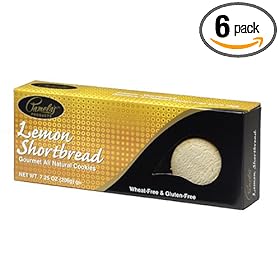
Have you ever heard of Pamela's Products? They make delicious, gluten-free and wheat-free cookies, some of which are also sugar-free. However, in the last year or so, Pamela's has changed some of their cookie recipes to include sugar as an ingredient. It's been terrible! My favorite cookie, the Lemon Shortbread cookie, was so good. I used to graze right through an entire box in one evening (not good), because it was hard to stop eating them. Anyway, I wrote to the company a while back to inquire about the ingredient change. I received a quick reply back from Pamela's, explaining that due to the Hurricane Katrina disaster, their honey supply has been inefficient and too expensive to continue buying.

I did not understand that very well, but left it alone. Recently, however, I was craving those Lemon Shortbread cookies again, and thought I would recheck the ingredients at the store. Sadly, they are still using sugar, and are using sugar in other cookie recipes, as well. While they do offer a small selection of sugarless cookies, I can't help but wonder why they don't make all of their cookies sugar-free. After grazing through my box of sugar-free Ginger cookies, I decided to write to Pamela's again. Here is the letter I sent:

"11-6-08

Hello. I have contacted Pamela's before to ask about the disappointing ingredient change in the cookies. I consume no refined sugar and have had to stop buying most of Pamela's cookie products. If you have noticed a decrease in sales of the Lemon Shortbread cookies over the last year or so, it is because the ingredients now contain sugar, and I have discontinued buying this product. I received a response about this months ago, which explained that it has become difficult to find a honey supplier to sweeten the cookies. However, there are so many natural sweeteners that could be used in place of sugar! Agave, molasses, honey, stevia, brown rice syrup, date sugar, etc. I really miss the lemon shortbread cookies, and some others, and have had to resort to the ginger cookies only--which I LOVE, by the way. They are absolutely heavenly and sweetened only with molasses. Is it possible to reformulate your cookie recipes at some time and go back to using natural sweeteners? What can I do to help?

I had a habit of recommending Pamela's cookies to people, but now do not feel comfortable recommending a product with sugar. There are a lot of people looking to cut out all refined sugar, and there are few packaged products out there that offer a delicious and naturally sweetened goodie. Please bring back your naturally sweetened cookies!

Thank you.
Sincerely..."

I'm anxious to hear from them!

Saturday, October 18, 2008

Brown Rice Milk Recipe


Sorry for the inconvenience, everybody! It was brought to my attention that making my original raw rice milk involves some potential health risks, so I had to take the recipe off for now. I need to try the recipe using cooked rice, but before I post that recipe, I want to make it first and perhaps tinker with ingredients; sugar-free sweeteners like honey, salt, etc.

To assure everyone's absolute safety, for those of you who have already made the raw rice milk, before using any more of it, bring the milk to a boil (while stirring!) and then refrigerate it. Don't freak out if you have had any, I have been drinking it and it's been fine for me. The concern is in bacteria that may form in the rice soaking. Because the recipe did not call for any cooking/boiling, there is no way to "kill" any bacteria that may have had a chance to form in the soaking rice. The fact that our rice is imported also calls to attention different kinds of microscopic bacteria that may have piggy-backed its way into our kitchens. All of these concerns are addressed in cooking the rice, so that is why I will be posting a cooked rice version of this recipe.

Thanks for your understanding and patience with me! I'm learning as I go.

Saturday, October 4, 2008

Fresh Fruit Leather from Hood River Valley


I was starving the other day. Just starving. I had been trying to hold out for dinner while getting some tea at a coffee shop. While ordering hot peppermint tea, I noticed a box of "fruit bars". My mouth instantly began to water and I pictured how good a chewy hunk of dried fruit leather would taste and feel in my mouth. I had to have it. I chose the pear flavor after reading the two ingredients, "pear puree and pear concentrate," which assured me this was sugar-free. After burning my hand on my cup of hot tea, I set it down and cozied up at a table with my delicious looking fruit bar. This was really going to have to tie me over until dinner. I ripped into the package and sunk my teeth into the sweetest fruit flesh. It was perfect tasting and made my stomach stop growling. I was pleasantly surprised how moist it was compared to other sugar-free fruit leathers that I have tried. It was delicious and stuck to all of my teeth. As I popped the last piece into my mouth, I took a closer look at the package: "Manufactured in the Columbia River Gorge using Northwest grown fruit". How cool! They are local compared to the fruit leathers that I had been buying from New Zealand!

I highly recommend trying these "Gorge Delights" fruit bars. Ask your local grocery stores and cafes to start carrying them. Write a customer comment card asking for them and include their information: http://gorgedelights.com/. It made a great snack at the coffee shop in place of all the other sugary pastries they had out.

Also, when you order hot tea at a coffee shop, I advise you to ask the barista to throw in a couple of ice cubes.